How I rate hotels
Every review on JankoCheckedIn.com ends with the same table: the JCI Score (Janko Checked In Score). It exists so that you can compare a €60 airport hotel in Warsaw with a five-star stay in Sydney on the same scale.
How the score is built
- I rate seven criteria: Cleanliness, Comfort, Sleep, Shower, Work, Friendliness and Style.
- Each criterion gets 0 to 5 points, in steps of half a point.
- The JCI Score is the average of the seven, rounded to one decimal. The stars in the text are rounded to the nearest half star.
- There is only this one score. There is no second “value” or “overall” score on top.
It is a personal score
I try to make the rating as objective as I can, and I explain every score in the review. But a hotel always presents itself to me personally, so the score stays subjective. That is especially true for Friendliness and Style, but it applies to the other criteria as well.
I rate the stay I actually had, in the room I actually got. A hotel can have renovated and non-renovated rooms. Sometimes I get an upgrade, and sometimes I may not even know that I got one. All of that flows into the score. Another guest in another room can have a different experience, and I say so in the review when I know it.
What I don’t score
- Location. It matters a lot, but it depends on what you want to do. I describe it in the Quick Facts and in the text instead.
- Price. I always tell you what I paid, but the score is about the stay, not the bill.
- Breakfast. I tell you whether I had it and what I thought, but it is not a criterion.
Standards that don’t earn points
Some things are simply expected today. Free WiFi, fast enough to use, is one. Free drinking water, a bottle in the room or a tap you can use, is another. A hotel that doesn’t offer them loses points, a hotel that does gets nothing extra.
How to read a score
- 5: the best I can imagine for this criterion.
- 3: fine, does the job, nothing special.
- 1 or below: a real problem.
Look at the criteria one by one:
The 10 best-rated hotels so far
Ranked by JCI Score
-
 MGallery
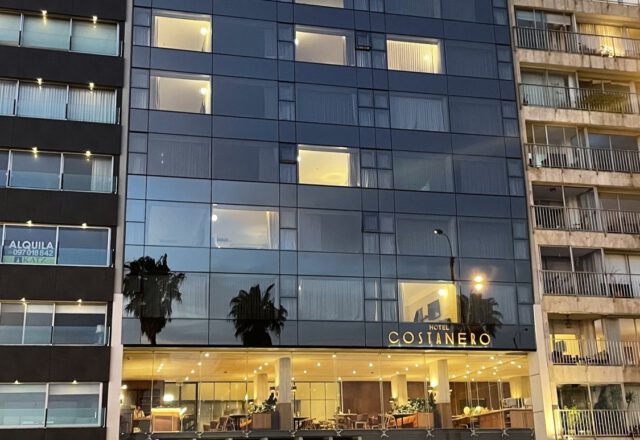
Hotel Costanero Montevideo
Montevideo
4.6JCI
-
 MGallery
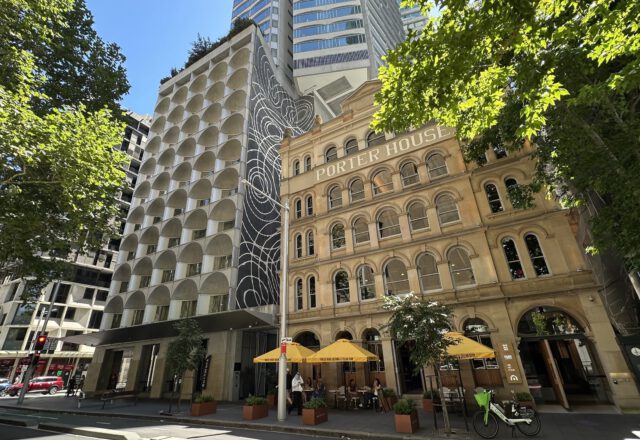
The Porter House Hotel Sydney
Sydney
4.5JCI
-
Swissôtel
Swissôtel Tallinn
Tallinn
4.4JCI
-
SO/
SO/ Vienna
Vienna
4.4JCI
-
Pullman
Pullman New Delhi Aerocity
New Delhi
4.3JCI
-
Novotel
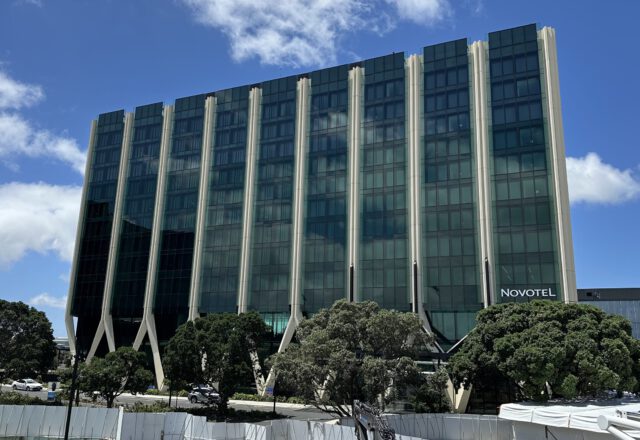
Novotel Auckland Airport
Auckland
4.2JCI
-
Novotel
Novotel London Canary Wharf
London
4.1JCI
-
Pullman
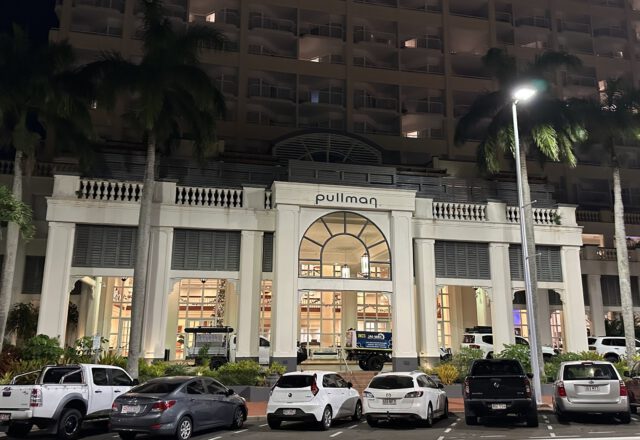
Pullman Cairns International
Cairns
4.1JCI
-
Tribe
TRIBE Riga City Centre
Riga
4.0JCI
-
Novotel
Novotel Medellín El Tesoro
Medellín
4.0JCI